Beginner-friendly ways to save on crypto transaction fees. This article is a first step for those who want to stay informed and keep their money doing what it’s supposed to do: moving value, not feeding friction. Just the practical stuff that makes you aware of what is being paid.
Crypto transaction fees have a special talent: they show up right when you’re about to click “Confirm”. The feeling is similar to an airline baggage fee that you only notice once you’re already at the gate.
This article is a first step for those who want to avoid unwanted surprises. Read along to cover the bases required, making you aware of the full picture of what is being paid.
By the end of this post, you’ll have a basic understanding of crypto transaction fees so you can spot where the cost is coming from before you click “Confirm”. We’ll cover swapping, ACH buys, and a few non-technical habits that consistently reduce fees, without turning you into a spreadsheet person (unless you want to be).
Crypto fees aren’t one fee. They’re a stack of small tolls that can appear at different moments, depending on what you’re doing.
A simple send is usually “network fee + maybe a service fee.” A buy can add card or bank transfer processing costs. A swap can layer price spread on top of network costs. And if you hop between apps (buy here, transfer there, swap somewhere else), you can accidentally pay “a little bit” several times, until your receipt looks like it has DLC.
The good news is you don’t need to learn everything. You just need to recognize which fee bucket you’re dealing with.
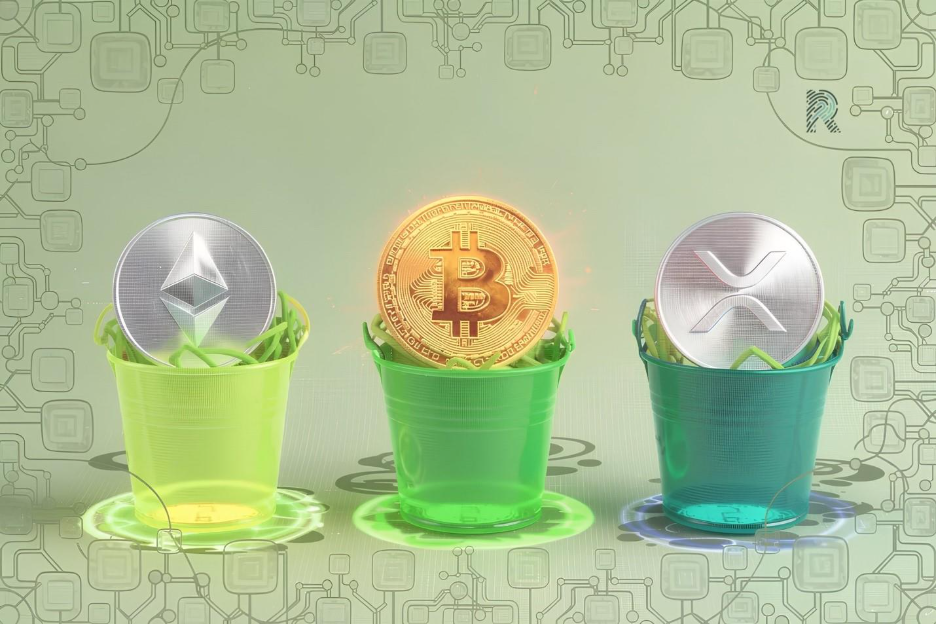
The three crypto transaction fee buckets you can actually control
Most fee pain fits into three buckets.
First: network fees (often called gas fees). These are paid to the blockchain network to process and secure your transaction. On Ethereum, the base fee adjusts based on block demand, and you can add a tip (priority fee) to encourage faster inclusion.
Second: platform fees and price spread. When you buy, sell, or swap cryptos, the service you use may charge an explicit fee and/or bake a spread into the quote. Investopedia’s overview of exchange fees is a good reminder that pricing models vary widely and that “free” can show up elsewhere.
Third: funding rails (how you pay). Debit/credit cards are convenient and fast, but they often carry higher processing costs than bank transfers. ACH is the Automated Clearing House network used across U.S. banks and credit unions for routine money movement. It’s designed to be reliable and generally low-cost, but it can be slower than card rails.
Once you know which bucket is causing the pain, you can usually reduce it without doing anything fancy.
Swaps: when they save you money and when they don’t
Swaps are popular for the simplest reason: fewer steps. Instead of selling your selected coin to cash and buying another (two trades, two opportunities for fees), you can often exchange one crypto for another in one motion.
Swaps tend to help when you’re already in crypto and want to rotate assets without going back to your bank. They also help when your goal is “less moving parts,” because fewer apps usually mean fewer surprise fees.
But swaps can still surprise you. A swap quote can include spread, and you can still pay network fees depending on what the swap touches (especially on busier networks). RockWallet’sHelp Center describes its “Swap” feature as exchanging one cryptocurrency for another within the app, and notes you’ll need verification and enough balance to cover network fees. RockWallet also explains that swap costs include network (mining) fees, and that Ethereum-based swaps may require ETH for gas.
Swapping is often cheaper than doing two separate trades, but you still want to read the quote like you mean it.
ACH buys: the quieter way to fund crypto in the U.S.
If debit card buys are the “fast lane,” ACH is the “steady lane.” It’s not always instant, but it can reduce the feeling that you’re paying extra just for convenience.
ACH can be described as a system that reaches U.S. bank and credit union accounts and supports transfers like direct deposits and bill payments. That’s why it’s widely used: it’s built for routine money movement.
RockWallet’s buy feature lets you purchase digital assets in-app using USD via a debit/credit card, or (in supported U.S. states) by linking a bank account and buying through an ACH electronic bank transfer. RockWallet also notes ACH buys follow the standard ACH process and can take several business days to clear. If you prefer linking your bank, RockWallet publishes guidance about supported banks and the connection flow.
If you’re a beginner who doesn’t need “right now,” ACH can be a sensible way to keep costs down, especially if you’re tired of paying for speed you didn’t ask for.
Other fee-savers beginners overlook
There are a few habits that consistently reduce fees without requiring technical skills.
Timing matters more than people think. Network fees rise when demand rises. Ethereum’s documentation explains how fees respond to block usage, and RockWallet’s own guidance reinforces that gas fees are set by network conditions, not by the wallet. If you’ve ever wondered why fees suddenly spiked, it’s usually just congestion in disguise.
Congestion isn’t theoretical. Investopedia covered a real example where Bitcoin network transaction fees spiked around the April 2024 halving during a surge in activity. You don’t need to predict the market: you just need to recognize “busy day” behavior and choose a calmer window when possible.
Batch your moves when it makes sense. Fees are often per-transaction, so ten tiny actions can cost more than one clean action. And finally: avoid unnecessary hops. The most common fee leak isn’t one big fee; it’s the multi-app relay race. Every hop can mean another network fee, another spread, another confirmation screen.
The simplest strategy is often: fewer hops, fewer surprises.
A couple of examples
Example 1: The accidental double-fee. A beginner wants $200 of BTC that isn’t available where they’re buying. They buy a different coin on one platform, transfer it out (network fee), then swap on another platform (spread + network fee). Nothing “went wrong,” but the combined tolls feel bigger than expected.
Example 2: The steady routine. Another beginner funds a wallet with ACH once a month, then does one swap when they want to rotate assets. It isn’t glamorous, but it often reduces total friction because it cuts down on repeated payment processing and unnecessary transfers.
These aren’t promises. They’re patterns. The point is to treat fees like a system you can design around.
How RockWallet helps you save on crypto transaction fees
If your plan to “save on fees” involves three apps, two logins, and a spreadsheet, you’re not saving money; you’re adopting a new personality.
RockWallet’s pitch is basically: keep the core actions in one place. Buy, swap, store, and (where available) sell; without turning your crypto day into a multi-tab project.
From RockWallet’sHelp Center, the basics look like this: - “Buy”: purchase digital assets in-app using card, or ACH bank transfer in supported U.S. states. - “Swap”: exchange one crypto asset for another within the app; you’ll need verification and enough balance for network fees. - Gas fees: network fees are not set by RockWallet; they’re determined by the blockchain network, and RockWallet displays estimates before you confirm. - For a beginner-friendly explainer, RockWallet’sblog has a plain-language walkthrough of why gas fees exist and what makes them fluctuate.
If your goal is to save on crypto transaction fees, the practical benefit is fewer steps. Less hopping. Fewer chances to pay the same type of fee twice.
Saving on crypto transaction fees isn’t about one secret trick. It’s about learning to recognize the fee bucket you’re in—network fees, platform/spread, or funding rails; and then choosing the simpler path.
Use swaps when they reduce extra buy/sell steps. Use ACH when you don’t need instant speed and want a steadier funding method. And whenever you can, reduce the number of apps in your process. The most avoidable crypto fee is the one you pay twice because you didn’t realize you were repeating the same action.
If you want a beginner-friendly place to put these habits into practice, RockWallet is built around buying (card or ACH where available), swapping, and managing assets in one wallet—so the cost of “figuring it out” doesn’t show up as a surprise line item.
Ready to put lower-fee habits on autopilot? DownloadRockWallet and keep your buy/swap/store routine in one place, so you spend less time tab-hopping and more time actually understanding what you own.
Written by Stefan Furcoi.
Stefan Furcoi is a Web3-native, communicator and crypto educator who lives at the intersection of blockchain, stablecoins, and real-world adoption. Most of his work is about clarifying complex topics like crypto wallets, DeFi tools, gas fees, protocols, and into clear, practical steps anyone can follow. He is also exploring how AI is reshaping crypto infrastructure and marketing, but his goal stays simple: help people enter and use the world of digital assets more smoothly and safely, without hype but with both trust and practicality.
We explain crypto in plain, simple language with no hardcore technical stuff, so getting started feels easy, not overwhelming. Educational content only, not financial advice.