
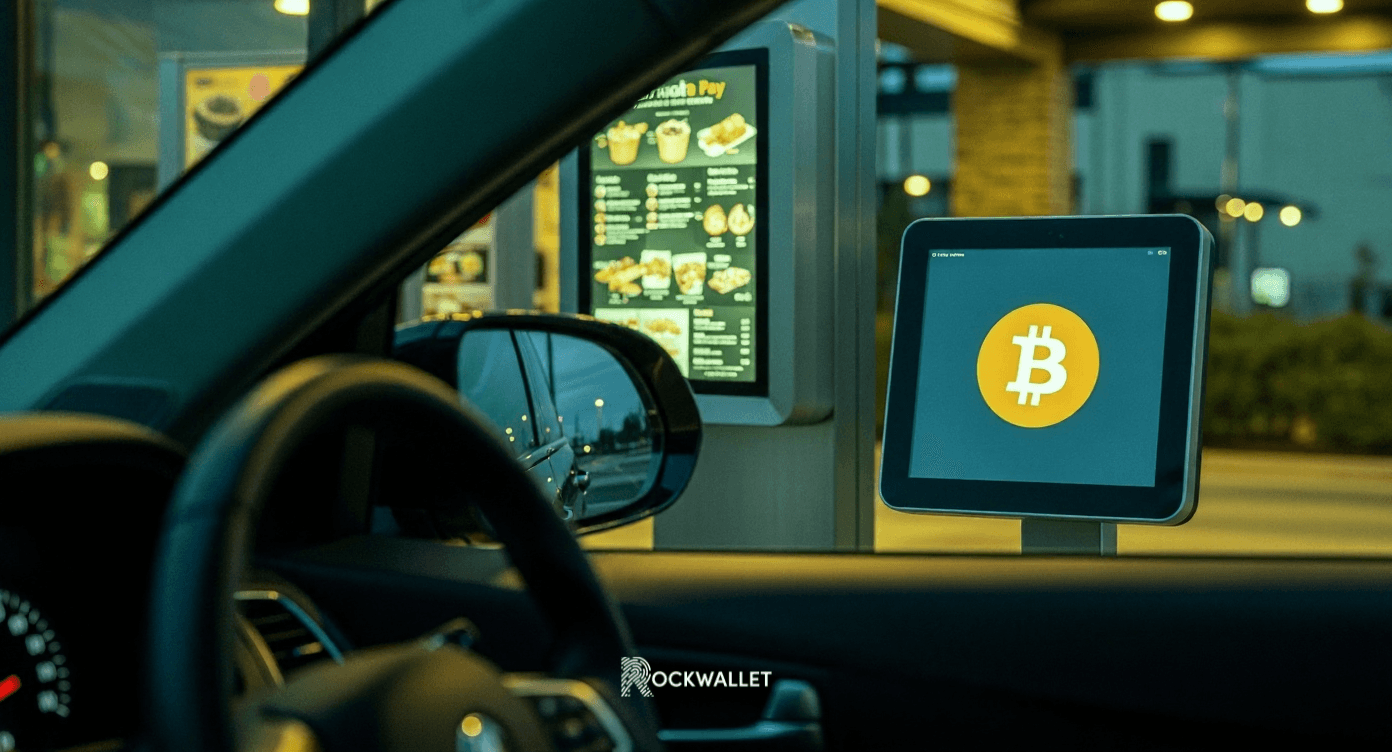
Crypto used to feel like something happening off to the side of everyday life. An app on your phone, a headline about Bitcoin's price, maybe a coworker who wouldn't stop bringing it up. That's shifted.
Blockchain and crypto have quietly worked their way into brands you already shop at, eat lunch from, and buy hardware from on weekends. Some of what gets reported as a brand "going crypto" turns out to be thin once you look closer, but plenty of it is real and easy to confirm. Here are 9 of them.
1. Coca-Cola turned its bottle into a piece of on-chain art
Coca-Cola's blockchain history runs through marketing, not payments or supply chains.
- In 2022, Coca-Cola partnered with Crypto.com to release 10,000 NFTs tied to the FIFA World Cup, each one a heat-map visualization of a match.
- In August 2023, Coca-Cola launched its "Masterpiece" NFT collection on Coinbase's Base network, pairing its iconic bottle with famous artworks like Edvard Munch's "The Scream" and new pieces from emerging digital artists.
What it teaches you: Coca-Cola never claimed to be building crypto payment rails or a blockchain supply chain, despite what some older predictions suggested. Its actual, verifiable blockchain activity is entirely NFT marketing, aimed at the same collectors who buy digital collectibles on networks like Base and Tezos.
2. CVS Health patented a blockchain system for protecting your health records
This one is easy to verify because it's a matter of public record. In 2024, the U.S. Patent and Trademark Office granted CVS Health patent US12068062B2, covering a system that uses blockchain to manage access to a patient's protected health information. The idea is that a smart contract controls who can see specific health data tied to a specific activity, rather than a single centralized database holding the keys.
CVS had already signaled interest in this direction back in 2022, when it filed trademark applications covering NFTs and virtual goods across its health, wellness, and pharmacy categories.
What it teaches you: A granted patent isn't the same as a live product. It confirms CVS Health has genuinely built and secured intellectual property around blockchain-based health data access, but it doesn't mean patients are using it yet.
3. McDonald's has made real NFTs, but it hasn't taken your order in crypto
McDonald's blockchain story is a useful lesson in separating the marketing from the payments.
- What's real: McDonald's launched McRib-themed NFTs in 2021, and its Singapore division released "Grimace" NFTs on the Polygon network in August 2025, minted directly through the McDonald's app.
- What isn't real: McDonald's does not accept crypto payments at scale anywhere in its core business. In 2025, a shareholder group proposed that McDonald's hold Bitcoin as a treasury reserve asset. McDonald's rejected the proposal and got clearance from the SEC to keep it off the shareholder meeting agenda entirely.
The one place you actually could buy a McDonald's meal with Bitcoin was El Salvador, and only because the country made Bitcoin legal tender in 2021, requiring any business with the technical means to accept it.
What it teaches you: NFT marketing campaigns and treasury or payment decisions are two completely different commitments, and a brand doing one says very little about whether it will do the other.
4. Gap sold hoodies as NFTs, with a real hoodie attached
In January 2022, Gap partnered with Tezos-based studio InterPop to launch "Gap Threads," a tiered NFT collection built around its classic hoodie, illustrated by artist Brandon Sines. Prices ranged from about $8 for the common tier up to $415 for rarer editions, and some purchases came bundled with an actual physical hoodie shipped to the buyer.
What it teaches you: Gap's NFT drop is a solid early example of "phygital" commerce, pairing a real product with a collectible digital one, and it's a genuinely confirmed, dated event rather than a rumor. It also hasn't been repeated since; there's no indication Gap has continued investing in NFTs or blockchain beyond this one 2022 campaign.
5. 7-Eleven lets you buy Bitcoin at the register, but not spend it on Slurpees
7-Eleven's actual blockchain footprint is about buying crypto, not paying with it.
- 7-Eleven has partnered with Bitcoin ATM operator Coinhub, part of a broader wave of convenience chains (also including Circle K, BP, and Shell) adding Bitcoin ATMs to their stores.
- In 2024, 7-Eleven's ATM partner FCTI began testing an expanded set of in-store financial services, including "cryptocurrency purchases and redemptions," alongside more traditional services like cash deposits.
What it teaches you: There's a real difference between a store letting you buy Bitcoin with cash at a kiosk and a store letting you pay for a purchase with Bitcoin directly. 7-Eleven's confirmed activity is squarely the former.
6. Starbucks built, then shut down, an entire NFT loyalty program
Starbucks Odyssey is the most complete story on this list, because it has a real beginning and a real end.
Starbucks launched Odyssey in September 2022 as an extension of Starbucks Rewards, built on the Polygon network. Members could complete "Journeys" (quizzes and activities) to earn NFT "stamps," some of which briefly resold for close to $2,000 during a burst of secondary-market demand in early 2023. Odyssey also offered non-digital rewards, including a trip to a coffee farm in Costa Rica.
Starbucks shut the program down on March 31, 2024, after about 18 months in beta, without giving a specific reason beyond "preparing for what comes next."
What it teaches you: A major, well-funded brand can build a genuinely ambitious blockchain loyalty program and still decide, less than two years later, that it wasn't worth continuing. Odyssey isn't a cautionary tale about fraud or failure. It's a reminder that "the brand is doing something with blockchain" and "the brand will keep doing something with blockchain" are two different claims.
7. Home Depot actually resolves vendor disputes on a blockchain
Of every brand on this list, Home Depot's use case is the most mature and the most boring, in the best way. Home Depot works with IBM Blockchain to give itself and its vendors shared, real-time visibility into shipments and receiving. According to Home Depot's own Director of Financial Operations, the system lets vendors see what Home Depot has received and lets Home Depot see what vendors have shipped, cutting a settlement process that used to take months down to something close to real time.
What it teaches you: This is the same category of blockchain-in-supply-chain use case that shows up at companies like Walmart and Renault. It has nothing to do with crypto prices or NFTs, and it's exactly the kind of unglamorous, back-office application that tends to actually stick around.
8. Sheetz lets you pay for gas and snacks with actual crypto
Unlike most of this list, Sheetz is a genuine example of paying with crypto directly at checkout, not buying it, not collecting it as an NFT. Through a partnership with payment network Flexa, Sheetz accepts Bitcoin, Ethereum, Litecoin, and USDC at every one of its convenience store and gas station locations. Customers load crypto into a compatible app, scan a code at checkout, and pay directly, integrated with Sheetz's existing point-of-sale system and loyalty program. If you're curious how spending crypto directly compares to converting it to cash first, our guide to on-ramps and off-ramps covers both directions.
What it teaches you: Direct crypto payments at a mainstream convenience chain are rarer than the hype suggests, which is exactly why a real, confirmed example is worth knowing about if you're looking for somewhere to actually spend crypto rather than just buy or hold it.
9. Walmart filed 20 blockchain trademarks and already tracks produce with it
Walmart's blockchain activity splits into two very different buckets. On the supply chain side, Walmart uses IBM's Hyperledger Fabric platform, the same technology behind IBM Food Trust, to trace items like leafy greens from farm to shelf in seconds rather than days, a system that's been in production use for years. On the brand side, Walmart filed roughly 20 trademark applications covering blockchain, NFTs, cryptocurrency, and the metaverse in late 2021, well before most retailers were paying attention to any of those terms.
What it teaches you: Filing a trademark is a low-cost way for a company to protect its options, and it's a much weaker signal than an actual deployed system. Walmart's real, current blockchain story is squarely about food traceability, not crypto or virtual goods.
Where does this actually leave crypto adoption at big brands?
Looking at all nine together, a pattern emerges. The genuinely durable use cases are the boring ones, like supply chain tracking at Home Depot and Walmart, or a patent for controlling health data access at CVS. The flashier NFT and metaverse campaigns from Coca-Cola, McDonald's, Gap, and Starbucks were real, but most were time-limited marketing pushes rather than ongoing commitments, and Starbucks's is already over. Direct crypto payments, the thing most people probably picture when they hear "a brand adopted crypto," is the rarest category of all. Outside of niche cases like Sheetz, most major brands still route crypto-curious customers through buying it (7-Eleven's ATMs) rather than spending it directly.
None of that means blockchain adoption at consumer brands has stalled. It means the real story is less exciting than "your favorite store now takes Bitcoin" and more accurately described as "large companies are quietly experimenting, and a few things have actually stuck." If you want to see what that looks like in industries beyond retail, our breakdown of how blockchain is already shaping renewable energy covers a similar mix of real pilots and honest dead ends.
Frequently Asked Questions
Is crypto accepted at major retailers yet?
Direct crypto payments at checkout are still uncommon among major retailers. Sheetz is a confirmed example, accepting Bitcoin, Ethereum, Litecoin, and USDC through a Flexa partnership. Most other major brands, including 7-Eleven and McDonald's, either let customers buy crypto in-store or have experimented with NFTs, but don't accept crypto as payment for everyday purchases.
Which brands have actually used blockchain, not just talked about it?
Home Depot and Walmart both use blockchain in production for supply chain tracking. CVS Health holds a granted patent for blockchain-based health data access. Coca-Cola, McDonald's, and Gap have all released real, dated NFT collections. Starbucks built and later shut down an entire NFT loyalty program called Odyssey.
How can I pay with crypto at stores that support it?
At retailers like Sheetz that accept crypto directly, you typically need a compatible payment app (such as one built on the Flexa network), load it with the cryptocurrency you want to spend, and scan a code at checkout. At retailers offering crypto purchases rather than crypto payments, like 7-Eleven's Bitcoin ATM partnerships, you're buying crypto with cash rather than spending crypto you already hold.
Why did Starbucks shut down its NFT program if it was popular?
Starbucks didn't give a detailed reason beyond stating it was "preparing for what comes next" as it evolved the program. Odyssey launched in September 2022 and closed in March 2024, following a broader pullback in corporate NFT programs across the industry, including similar moves by Meta and GameStop around the same period.
Do any of these brands have their own cryptocurrency?
No. None of the brands covered here, including Coca-Cola, McDonald's, or Starbucks, have launched their own cryptocurrency. Their blockchain activity has centered on NFTs, supply chain tracking, or accepting existing cryptocurrencies like Bitcoin, not creating new tokens of their own.

RockWallet AdminUnited States
We explain crypto in plain, simple language with no hardcore technical stuff, so getting started feels easy, not overwhelming. Educational content only, not financial advice.
Ready to get started?
Buy, sell, and trade crypto on the go with RockWallet.