
Why your crypto isn't really yours on an exchange (custodial ownership, explained)
If you're storing crypto on a popular exchange, here's what you're agreeing to and why it matters more than you think.
If you're storing crypto on a popular exchange, here's what you're agreeing to and why it matters more than you think.
When most people buy crypto for the first time, they do it on either a popular app or exchange, without ever thinking about custodial ownership. The kind of app where you open it, see a wall of charts, and quietly wonder if you need a finance degree to understand this jargon.
You create an account, link a bank card, buy some Bitcoin, and watch the number go up and down.
It feels like you own crypto. But here's what nobody explains upfront: there's a difference between having a balance that represents crypto and owning crypto.
And on most exchanges, you have the first one.
Think about how a regular bank account works.
You deposit $500. The bank doesn't put $500 in a box with your name on it. It takes your money, adds it to a pool, and lends most of it out. What you have is a promise, an IOU, that says the bank will give you $500 back when you ask.
Most of the time, that works fine. But the promise is only as good as the bank behind it.
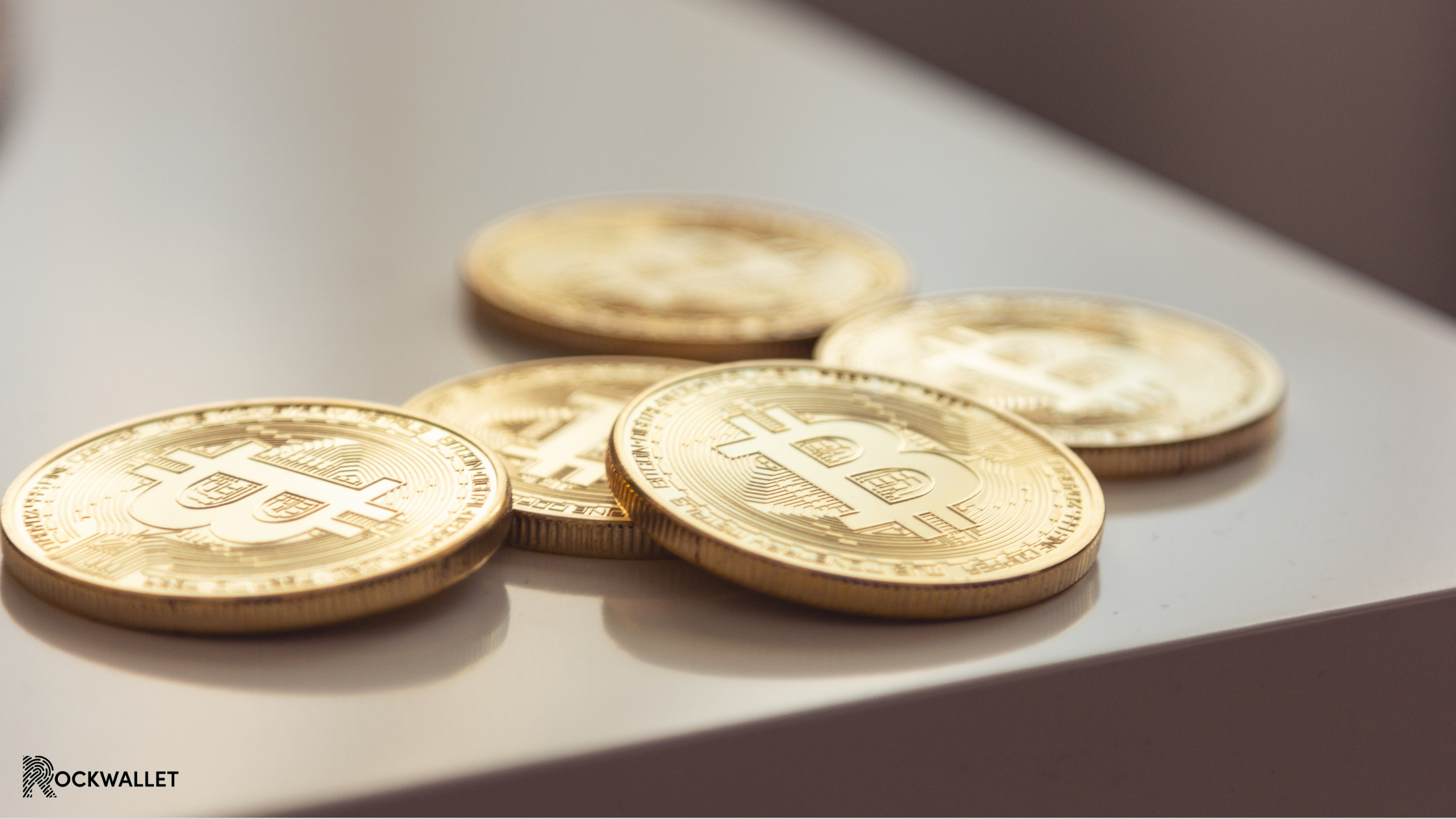
Crypto on an exchange works the same way. You buy Bitcoin BTC, and the exchange records your balance. But the actual Bitcoin BTC? It's in the exchange's wallet, under their control. They hold the keys. You hold a number on a screen.
That's called a custodial arrangement. The exchange is your custodian, the third party holding your assets on your behalf.
In most day-to-day situations, you won't notice the difference. You'll see your balance, you can trade, and things feel fine.
The risk shows up when things go wrong.
Custodial platforms have a single point of failure: the platform itself. If it experiences a security breach, customer funds can be affected. Platforms have frozen withdrawals during volatile markets, leaving users unable to access their own balance. Some have shut down entirely, leaving customers waiting months to recover funds, if they recovered them at all.
When FTX, one of the largest exchanges in the world, went bankrupt in 2022 in what's become one of the defining cautionary tales in crypto, millions of customers were left in line to recover their funds."The process took years and many customers received less than they were owed.
The people who came through it with minimal damage? Those who had moved their crypto into a non-custodial wallet before it happened. Their crypto was on the blockchain, accessible only to them, mainly insulated from that exchange’s bankruptcy risk.
True ownership in crypto means holding the controlling share of your own private key." That’s the digital credential that gives you access to your crypto on the blockchain.
The difference between that and a custodial exchange is meaningful. On an exchange, the platform holds the complete key. You hold an account balance. If the platform goes offline, your access goes with it.
When you hold your own key, or a controlling share of it, it stays with you instead of a company. Reduced counterparty risk, not eliminated entirely, but meaningfully reduced. Your crypto lives on the blockchain regardless. What changes is who is controlling the door.
That's what non-custodial means. And it's the original promise of crypto: the ability to own a digital asset the way you own cash in your hand, not the way you own money in a bank's ledger.
Owning your own key used to come with a real cost: the seed phrase. A set of 12 to 24 random words you had to write down, protect, and never lose. Lose that and everything was gone with no recovery path.
That friction was real, and it kept a lot of people on exchanges who might have preferred to own their crypto directly.
Modern wallets have addressed this. RockWallet, for example, splits your wallet key into three pieces called shards.
You hold one shard, secured by your phone's passkey or Face ID. RockWallet holds a second shard on its own secure servers. A trusted third party holds the third.
To authorize any transaction, 2 of those 3 shards need to work together. No single party can act alone. Your shard is always one of the two required for a normal transaction, which means RockWallet cannot move your funds without your involvement.
There’s also an important detail worth knowing: because RockWallet holds its own shard, it has the ability to refuse to co-sign a transaction it believes is fraudulent. That is not a limitation. It’s a feature. A platform that holds none of your key cannot do that for you.
If you lose your phone, you verify your identity through the app and the remaining shards work together to restore your wallet on a new device. No 12-word list. No moment of panic. Just a straightforward recovery process.
The protection of real ownership, without the part that kept most people away.
Custodial exchanges are a reasonable place to buy crypto. They’re not the best place to store it long-term if owning your crypto matters to you.
The distinction most people miss: an exchange is a good starting point. A non-custodial wallet is where you own what you bought.
You wouldn't leave everything you own in a safety deposit box at someone else's bank indefinitely. At some point, you want direct access to what's yours.
Crypto is the same.
Your first step into crypto, with plain-language guidance at every tap, and a security model that doesn't ask you to memorize anything.
Read more: “What nobody explains about the 12-word recovery phrase.”
Is my crypto safe on an exchange?
It can be, day-to-day. But your crypto is only as safe as the exchange's own solvency and security. If the exchange is hacked, freezes withdrawals, or goes bankrupt, your balance is at risk even though you did nothing wrong yourself.
What is a private key?
A private key is the digital credential that gives you actual control over crypto on the blockchain. Whoever holds the key controls the crypto, whether that's you or the platform you're using.
What happens if RockWallet shuts down?
Because RockWallet splits your wallet key into shards instead of holding it as one piece, your crypto isn't dependent on RockWallet's servers to exist. Your shard and the recovery process are designed so you retain a path to your funds even if RockWallet were no longer operating.
Do I need a seed phrase?
Not with RockWallet. Instead of a 12 or 24-word seed phrase you have to write down and protect yourself, RockWallet splits your key into shards secured by your device and identity verification, so recovery doesn't depend on a piece of paper you could lose.
We explain crypto in plain, simple language with no hardcore technical stuff, so getting started feels easy, not overwhelming. Educational content only, not financial advice.
Buy, sell, and trade crypto on the go with RockWallet.