

What Is Ethereum? A Beginner's Guide
New to crypto and not sure what Ethereum is? This guide explains it, how it works, and how it compares to Bitcoin, in plain English, with no jargon and no hype.
New to crypto and not sure what Ethereum is? This guide explains it, how it works, and how it compares to Bitcoin, in plain English, with no jargon and no hype.
If you have spent any time around crypto, you have heard the word Ethereum. Maybe someone told you it is "more than just a coin," or you saw ETH mentioned next to Bitcoin and wondered what the difference is.
So what is Ethereum? It is a decentralized blockchain network and software development platform.
Confused? Lets try again in plain terms. It is a network of computers that work together to run small pieces of code automatically, without a bank, a company, or a middleman approving each step. Its own currency, ether (ETH), is what powers that network. In this guide, we will walk through what Ethereum does, how it works, how it compares to Bitcoin, and what people use it for in the real world.
Ethereum is a public blockchain, a shared digital record that thousands of computers around the world keep in sync.

What sets it apart from a simple payment ledger is that it can also run programs called smart contracts. A smart contract is just code that carries out an agreement automatically once its conditions are met.
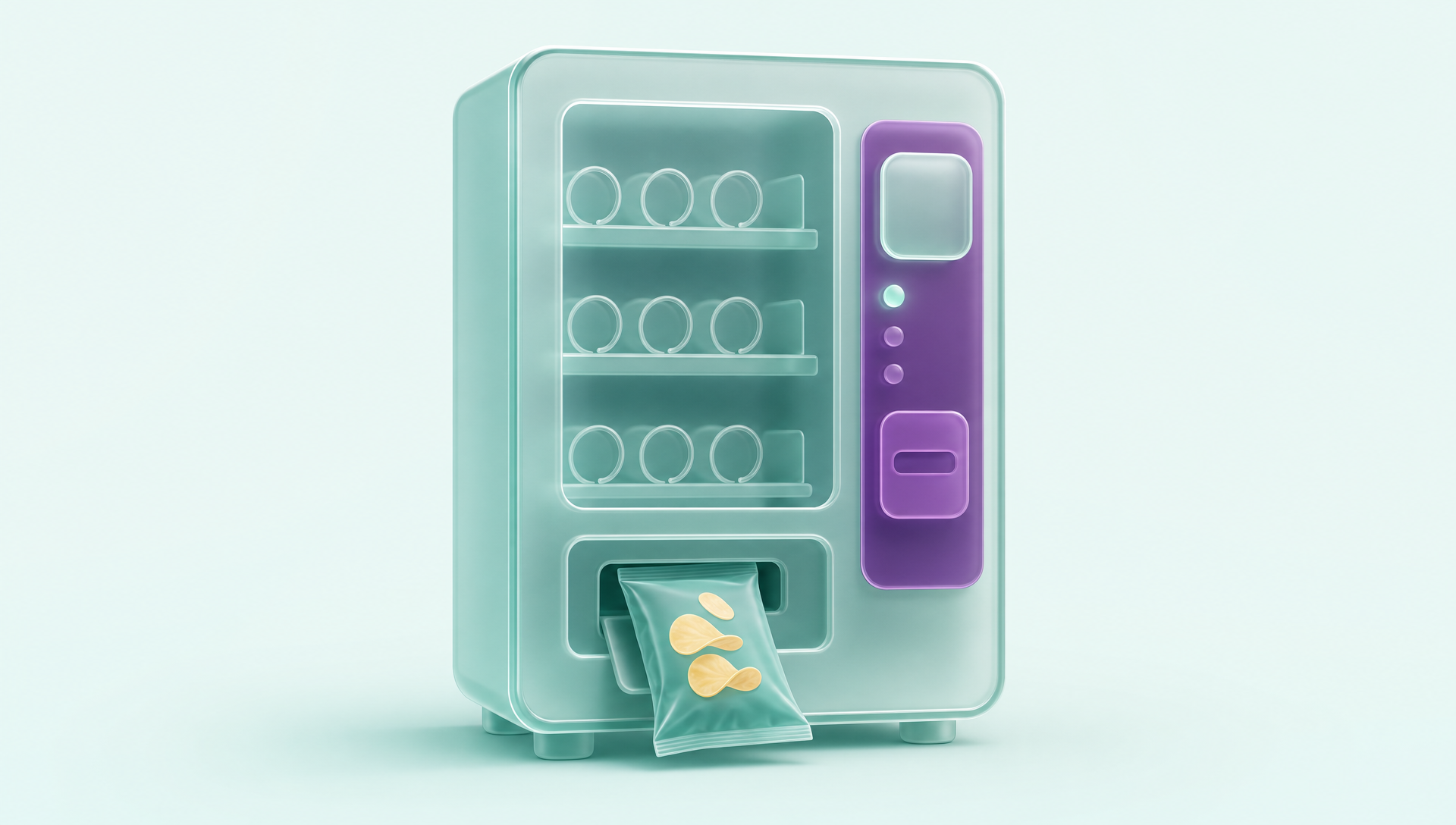
Here is a simple way to picture it. Think of a vending machine. You put in the right amount, you press the button, and the machine hands over your snack. No cashier needed, no negotiation, just a straightforward transaction that happens the same way every time. Ethereum works on a similar idea, except instead of snacks, it can handle things like loans, token swaps, or digital collectibles, all running on code that anyone can check.
Ethereum launched in 2015, built by a group of developers including Vitalik Buterin, who wanted a blockchain that could do more than move money around. Today, it is the network behind a large share of the apps, tokens, and digital tools built in crypto, according to ethereum.org, the project's own reference site.
Once you get past the technical language, Ethereum's day-to-day mechanics come down to three moving parts: smart contracts, the people who keep the network secure, and the small fees that keep it all running.
A smart contract is a set of rules written in code. Once it is live on the network, it runs exactly as written, and nobody can quietly change the terms after the fact. That is what makes it useful for things like automated swaps or digital agreements between two people who have never met and do not need to trust each other directly. The code is the referee.
Ethereum used to run on mining, the same energy-heavy process Bitcoin uses, where computers competed to solve puzzles for the right to add the next block.
In 2022, Ethereum switched to a different system called proof of stake. Instead of mining, people called validators lock up ETH as a kind of deposit and take turns confirming transactions. If a validator tries to cheat, they lose part of that deposit. It works a bit like a security deposit on an apartment: skip the rules, and you forfeit your stake.
Every action on Ethereum, sending ETH, using an app, or interacting with a smart contract, costs a small fee called gas. Think of gas as a toll for using the network's roads. The busier the network, the higher the toll. The good news for anyone getting started now is that Ethereum's 2025 network upgrades, known as Pectra and Fusaka, raised how much the network can process at once and cut typical costs significantly. According to Ethereum Foundation's own announcement, the Fusaka upgrade increased the network's capacity and was built specifically to bring transaction costs down further for everyday users. If you want a deeper look at how these costs work, we have covered it in our guide to understanding gas fees.
This is usually the first question once someone understands the basics, and it is a fair one. Bitcoin and Ethereum are often mentioned together, but they were built to do different jobs.
Bitcoin was designed primarily as digital money, a way to send value without a bank standing in the middle. Its focus has stayed narrow and consistent since it launched: be a reliable, limited-supply asset people can hold or send.
Ethereum was designed with a broader goal. It is a platform other developers build on top of, the way a phone's operating system supports thousands of different apps. That is why you will see Ethereum come up around things like decentralized apps, digital collectibles, and automated agreements, while Bitcoin's story stays centered on being a store of value.
They also confirm transactions differently. Bitcoin still uses the original mining-based system, proof of work. Ethereum runs on proof of stake, the validator system we just covered. Neither approach is right or wrong. They are just built around different priorities: Bitcoin optimizes for simplicity and predictability, Ethereum optimizes for flexibility.
Because they serve different purposes, plenty of people hold both rather than picking one over the other. If you are curious where Bitcoin fits into the wider picture, our guide to crypto basics is a good next stop.
Once you get past the definitions, the real question is what any of this is good for. Here is where Ethereum shows up in everyday crypto activity.
Stablecoins like USDC and USDT, digital tokens designed to hold a steady value, largely run on Ethereum and networks built alongside it. Beyond payments, Ethereum supports decentralized finance tools (lending and swapping without a bank in the middle), digital collectibles known as NFTs, and organizations that run on shared rules instead of a single company calling the shots. None of this requires you to understand the underlying code. You are simply using apps that happen to run on Ethereum in the background, the same way you use an app on your phone without knowing how its servers work.
A big reason Ethereum keeps its place at the center of crypto is the ecosystem built around it. Other networks, often called Layer 2 networks, connect directly to Ethereum and handle transactions faster and cheaper, then settle everything back to the main network for security. Picture Ethereum as the main highway and these Layer 2 networks as side roads that ease the traffic load while still connecting back to the same system. Independent industry coverage, including CoinDesk's reporting on the Fusaka upgrade, notes that recent upgrades were built specifically to make these side roads even cheaper to use.
If you want to see how Ethereum compares with other tokens in this same ecosystem, our beginner's guide to altcoins breaks that down further.
The Ethereum network itself is secured by thousands of independent validators, which makes it difficult for any single party to take control or rewrite history. That said, network security is only one part of the picture. Your own safety comes down to the platform you choose and the habits you build.
Stick to a platform that is upfront about how it protects your account, keep your login details private, and treat unexpected messages asking for personal information as a red flag, even if they look like they came from a service you already use. This guide is educational, not financial advice, and it is worth treating any big decision about your money with the same care you would give any other financial choice. For a closer look at staying safe day to day, see our crypto security guide for beginners.
You do not need to understand every technical detail before you explore Ethereum. Most people start by learning the basics (which you have just done), then look at a secure platform where they can see live prices, try a small transaction, and get comfortable before doing anything else.
Once you feel ready, you can Buy, Sell, or Swap ETH for other assets, all from the same account. Ready to explore Ethereum on your terms? Download RockWallet to Buy, Sell, and Swap crypto with confidence.
Ethereum is a blockchain network built to run code automatically through smart contracts, secured by validators instead of miners, and used for everything from stablecoin payments to digital collectibles. It is not a competitor trying to replace Bitcoin. It is a different tool built for a different job. Now that you know what Ethereum is and how it works, you are in a better spot to decide what role, if any, it should play in your own Portfolio.
No. Bitcoin works mainly as digital money you can send to someone else. Ethereum does more than that: it can run small programs that carry out simple agreements on their own, a bit like an automatic vending machine. They also keep their networks secure in different ways behind the scenes.
ETH pays the small fee it takes to do anything on the Ethereum network, similar to paying for gas to drive a car. People also buy, sell, and hold ETH the same way they would any other crypto.
Thousands of computers around the world follow the same set of rules together, so sending ETH or using an app built on Ethereum happens automatically, without a bank or company needing to approve it.
No. You can Buy, Sell, or Swap ETH and use apps built on Ethereum without ever touching a line of code, the same way you use your phone without knowing how the software inside it works.
That depends on your own goals and comfort with risk, and this guide is not financial advice. What we can tell you is what Ethereum is and how it works, so you can make that call with clearer information.
Start with a platform that is upfront about how it protects your account, keep your login details private, and take your time before making any transaction. Our crypto security guide walks through the basics.

Aalind makes crypto, Web3, & DeFi easy to understand for newcomers, skipping the jargon & explaining things clearly. He's grown 30k+ followers & 6M+ views, & studied 100+ crypto projects. His writing is for education only, not financial advice.
Buy, sell, and trade crypto on the go with RockWallet.